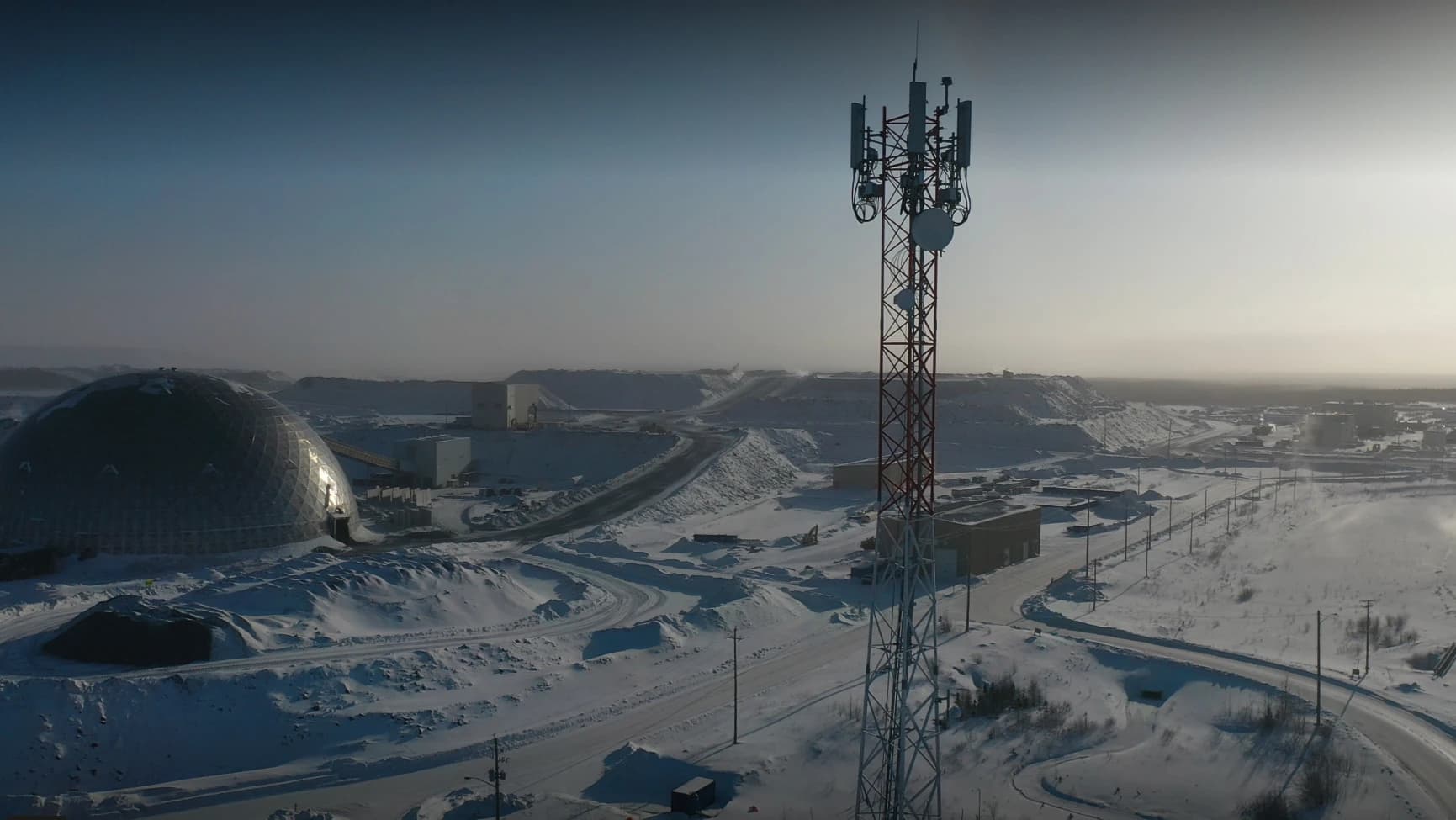
Telecom infrastructure faces some of its toughest challenges in extreme climates around the world, yet reliable connectivity is more critical than ever. In the freezing Arctic, where temperatures can drop below -40°C, networks must endure ice shifts, permafrost, and strong winds. Traditional copper lines often fail under these conditions, but high-performance fiber optic cables excel, providing low signal loss, high bandwidth, and durability over long distances. These networks support remote research stations, oil and gas facilities, and isolated communities, ensuring continuous communication for both operational safety and daily life.
In scorching deserts, such as those in the Middle East, North Africa, and parts of Australia, fiber optic networks face prolonged exposure to extreme heat, sandstorms, and intense solar radiation. Reinforced sheathing, heat-resistant cores, and buried or armored installations allow networks to remain stable even when temperatures exceed 50°C. These solutions are critical for mobile communication, smart city projects, and industrial operations in areas where traditional infrastructure would quickly degrade.
Tropical regions present an entirely different set of challenges. High humidity, heavy rainfall, dense vegetation, and wildlife threats like rodents can damage conventional cabling. Waterproof, rodent-resistant, and UV-protected fiber solutions maintain reliable connectivity in countries across Southeast Asia, South America, and Africa. These networks not only support everyday communication but also enable IoT deployments, precision agriculture, smart energy management, and rapid emergency response systems.
Globally, extreme climates highlight the importance of choosing the right fiber optic technology and installation methods. From armored outdoor cables and temperature-resistant cores to advanced monitoring systems that detect damage or signal degradation in real time, these innovations ensure that networks remain operational regardless of the environment.
Fiber optics are not just a technology—they are the backbone of resilient global telecom infrastructure, connecting communities, businesses, and governments even in the world’s most challenging environments.